There’s a lot of mystique built around wine and few things are more intriguing to the winos* than the thought of tasting rare vintages long aged in musty cellars. Sadly, wines do tend to have a best-before date at some point in their development. So, what are the signs of too much aging?
The whole process of aging wine is mostly about oxidation. Some of the processes can supposedly happen in anaerobic conditions but others happen through oxidation, the slow interaction of the wine with the surrounding air through the cork and with the air left in the bottle. In the early stages wine can ripen and improve, the tannins smooth out and the acidity reduces, but at some point the process of oxidation will cause the wine to deteriorate, rather than improve.
What should you look out for?
- Changes in Color: One of the first signs of wine oxidation is a noticeable change in color. White wines may turn darker, taking on a golden or amber hue, while red wines can appear brownish or brick-like instead of their original shades.
- Altered Aromas: Oxidation can significantly impact the wine’s aroma. Instead of fruity scents you might detect nutty, sherry-like, or vinegar-like notes. The wine might lose its freshness and exhibit a stale or musty smell.
- Flat Taste: Oxidized wine can taste flat and lackluster, with diminished fruit flavors and a perceived increase in bitterness. The acidity might also be reduced, leading to a less than exciting wine.
- Unpleasant Aftertaste: An oxidized wine can leave an unpleasant aftertaste, often characterized by a drying sensation on the palate. This is caused by the oxidation of phenolic compounds present in wine.
- Cork and Bottle Issues: If the wine was sealed with a cork, an oxidized wine might cause the cork to appear pushed out slightly, indicating a possible problem with the seal. Wine stored in bottles with damaged or compromised seals can be more susceptible to oxidation.
- If the level of the wine has fallen below the shoulders of the bottle it’s a sign of too much evaporation, and the wine may have been exposed too much.
When aging wine, or buying old wine, those are some of the things to look out for. The longer a wine has been around, and the less you know about how it’s been stored, the higher the risk that the taste is gone. It might be an age-worthy wine cellared in excellent conditions or the leftover bottle stored in someone’s basement, next to a radiator. In the first case it could last for decades, in the second it could be gone fairly quickly.
Ironically, the loss of a certain amount of flavour that’s inherent in the aging process is also what amounts to the flat taste in an oxidated wine. If there are no particularly unappealing flavours, the difference between an oxidated flat wine and a sublimely aged one might be slightly subjective.
Unfortunately, it’s not really possible to tell which side of flat or sublime it will be for you until opening the wine and tasting it.
For wine collectors, if their primary interest is owning specific vintages it might be slightly less of an issue, but anyone looking forward to drinking it should be aware that a bottle aged for a really long time might in fact taste wise turn out to be a disappointment, despite the price. Still, you’ll never know, unless you try.
*Wino, short for oenophile.
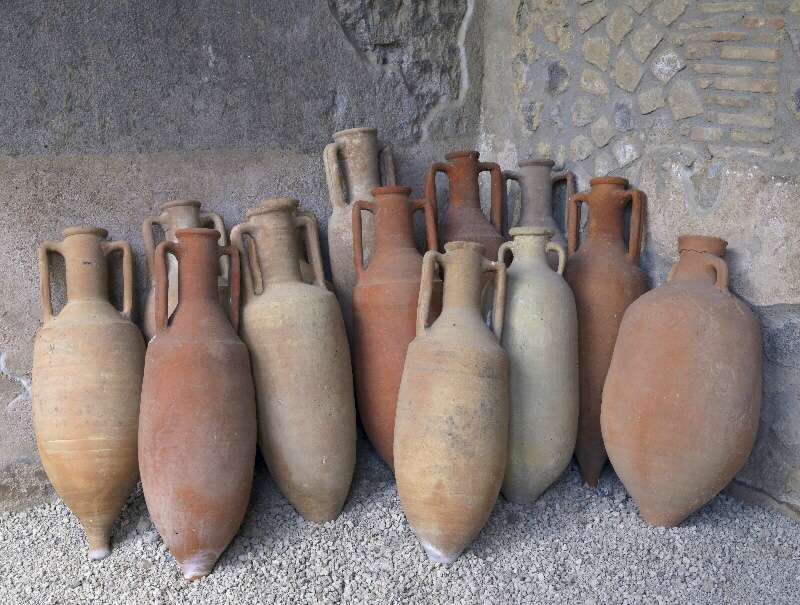
Image credit: Commonists, CC BY-SA 4.0, via Wikimedia Commons


- Asian Pork Hamburger on Rye | Recipe
- Shrimp and Avocado Salad with Lime Cilantro Dressing | Recipe
- Seared Pork Fillets with Creamy White Wine Dijon Sauce | Recipe
- Chicken Paprika | Recipe
- Goat’s Cheese Salad with Roasted Sourdough Bread | Recipe
To get free updates on the latest, enter your email and tap News.


 The Food and Booze Logs
Leave a comment