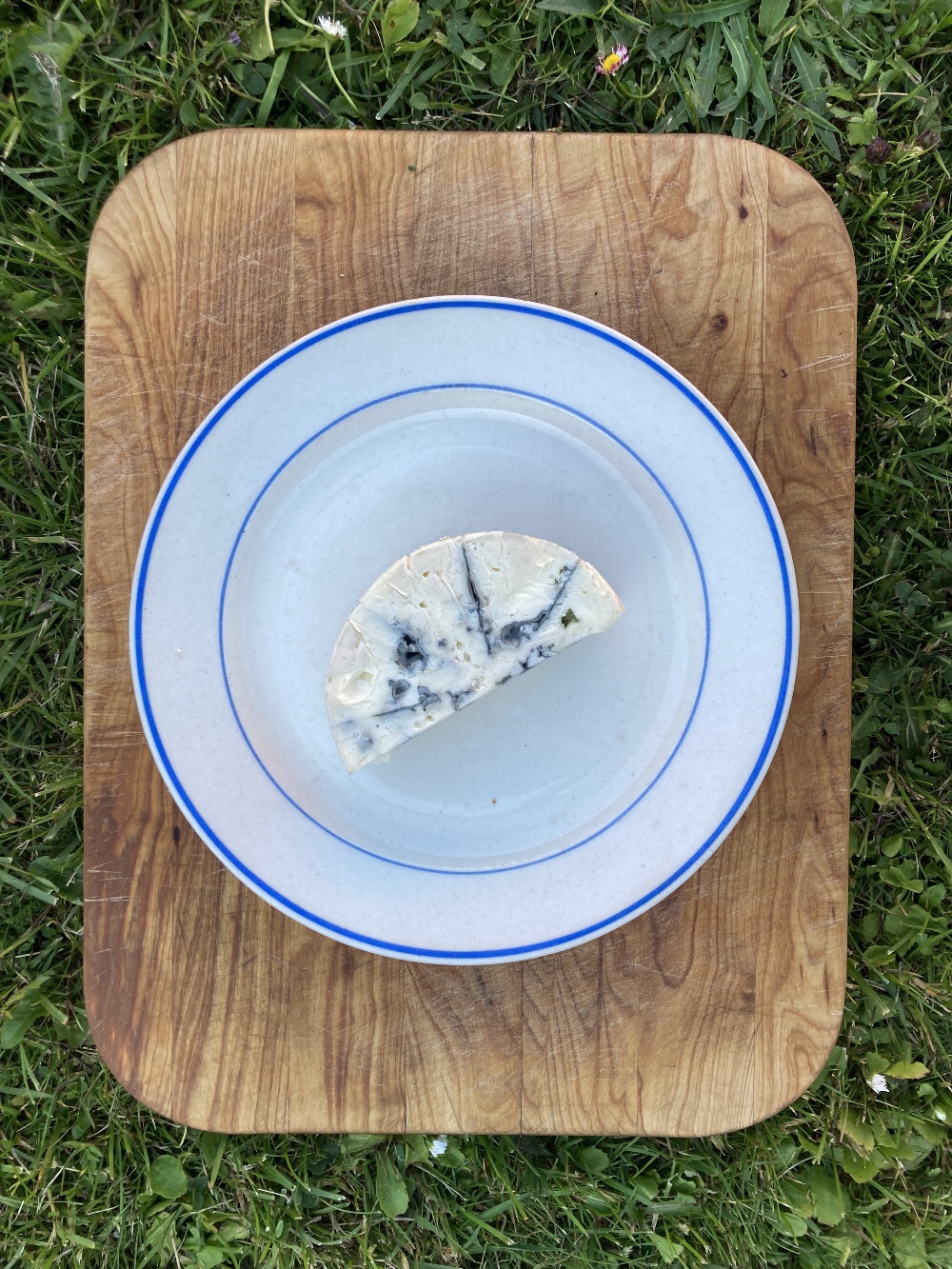
Blue cheese, that cheese of cheeses. Seriously, if you’re going to cheese out on something there’s few better choices than blue cheese.
It’s an acquired taste, definitely, but once you’ve acquired it, there’s no turning back. Whoever first thought “that cheese sure looks a bit strange” but ate it anyway was a daring genius. Praise him for not deeming it a mistake and keeping it a secret.
It can be added to dishes as a condiment, as an ingredient in sauces and eaten au naturel with a tasty red wine. Try it with gingerbread cookies, it’s an excellent combination.
The Encyclopedica Britannica names a number of varieties, some of which are ripened in caves, and also mentions that the mold is in fact a species of Penicillium.
The cheese should therefore, according to reason, be medicinal and good for your health. Praise cheeses.
There are a number of varieties of the cheese: Roquefort, from France, the British Stilton, Gorgonzola from Italy, Denmark has a cheese called Danablu, in Spain they have Cabrales, an American variety is called Maytag Blue while the Irish have Cashel Blue. In addition to these there are regional and artisanal variations, all with their own character.
The cheese pictured in this article is a Danablu. Creamy, yet firm, gorgonzolaish but slightly edgier. Serve it at the end of dinner and it will crown the meal.


- Asian Pork Hamburger on Rye | Recipe
- Shrimp and Avocado Salad with Lime Cilantro Dressing | Recipe
- Seared Pork Fillets with Creamy White Wine Dijon Sauce | Recipe
- Chicken Paprika | Recipe
- Goat’s Cheese Salad with Roasted Sourdough Bread | Recipe
To get free updates on the latest, enter your email and tap News.
One response
-
Wow, this blog post about Blue Cheese is absolutely amazing! I never knew there were so many different types and flavors to explore. Thanks for sharing this delightful piece, I’m truly excited to try out some new recipes!
Regard MelFree Keto Diet Recipes – http://www.ketodietrecipes.co.uk

 The Food and Booze Logs
Leave a comment